The Ancient Olympic Games: Sport as Sacred Ritual

Thomas L. Miller
Historian & Writer
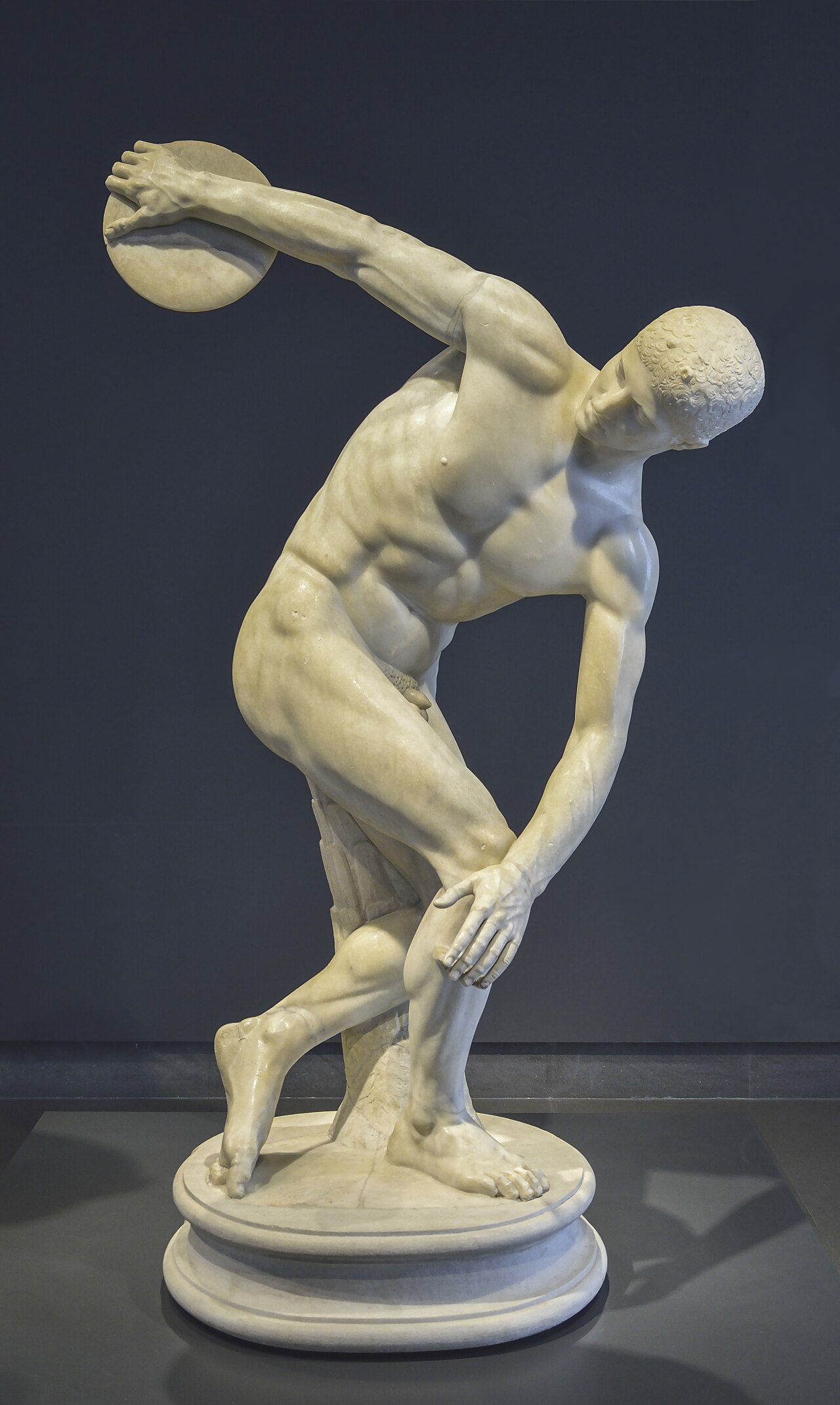
The ancient Olympic Games were held at Olympia in the western Peloponnese every four years from 776 BCE, the traditional founding date, until 393 CE, when the Christian emperor Theodosius I banned pagan festivals. This gives them a history of 1,169 years, far longer than any subsequent athletic tradition. They were dedicated to Zeus, king of the gods, whose great temple at Olympia housed Pheidias's colossal gold-and-ivory statue, one of the Seven Wonders of the Ancient World. To compete was an act of religious participation as much as athletic competition.
Participation in the ancient Olympics was restricted to free Greek-speaking males. Women were barred from even watching (married women, specifically; unmarried women could attend). Athletes competed nude, a practice that distinguished Greek athletic culture from others in the ancient world and connected bodily perfection to divine ideals of beauty. The Games began with elaborate religious ceremonies: a hundred oxen were sacrificed to Zeus, and the altar grew over centuries into a massive mound of ash and bones. Athletes swore oaths over the entrails of a boar that they had trained for ten months and would compete fairly. The prize for winning was simply a wreath of wild olive leaves, but the glory (kleos) that accompanied victory was immense.
The original ancient Olympics featured only a single event: the stadion, a foot race of approximately 192 meters (one stade). Over the centuries the program expanded to include the diaulos (double course), the dolichos (long distance race), chariot racing, the pentathlon (discus, javelin, long jump, running, and wrestling), boxing, wrestling, pankration (a brutal combination of boxing and wrestling with almost no rules), and equestrian events. Chariot racing was the most prestigious and expensive event; the owner of the horses received the prize even if they never attended, meaning wealthy women could technically win Olympic glory through their horses. Cynisca of Sparta became the first recorded female Olympic victor this way in 396 BCE.
The social impact of the Olympics was enormous. The period of the Games was protected by a sacred truce, the ekecheiria, during which warfare was suspended across the Greek world to allow safe travel to and from Olympia. This truce did not always hold perfectly, but the ideal of peaceful competition within a framework of shared religion was powerful. Olympic victors returned home to civic celebrations, free meals for life, and sometimes statues erected in their honor. A few, most famously the wrestler Milo of Croton, became legends in their own time, their physical feats growing in the retelling until they were indistinguishable from heroes of myth. The line between the exceptional athlete and the demigod was never quite firm in the Greek imagination.