Hades and the Greek Underworld: What Awaited the Dead

Thomas L. Miller
Historian & Writer
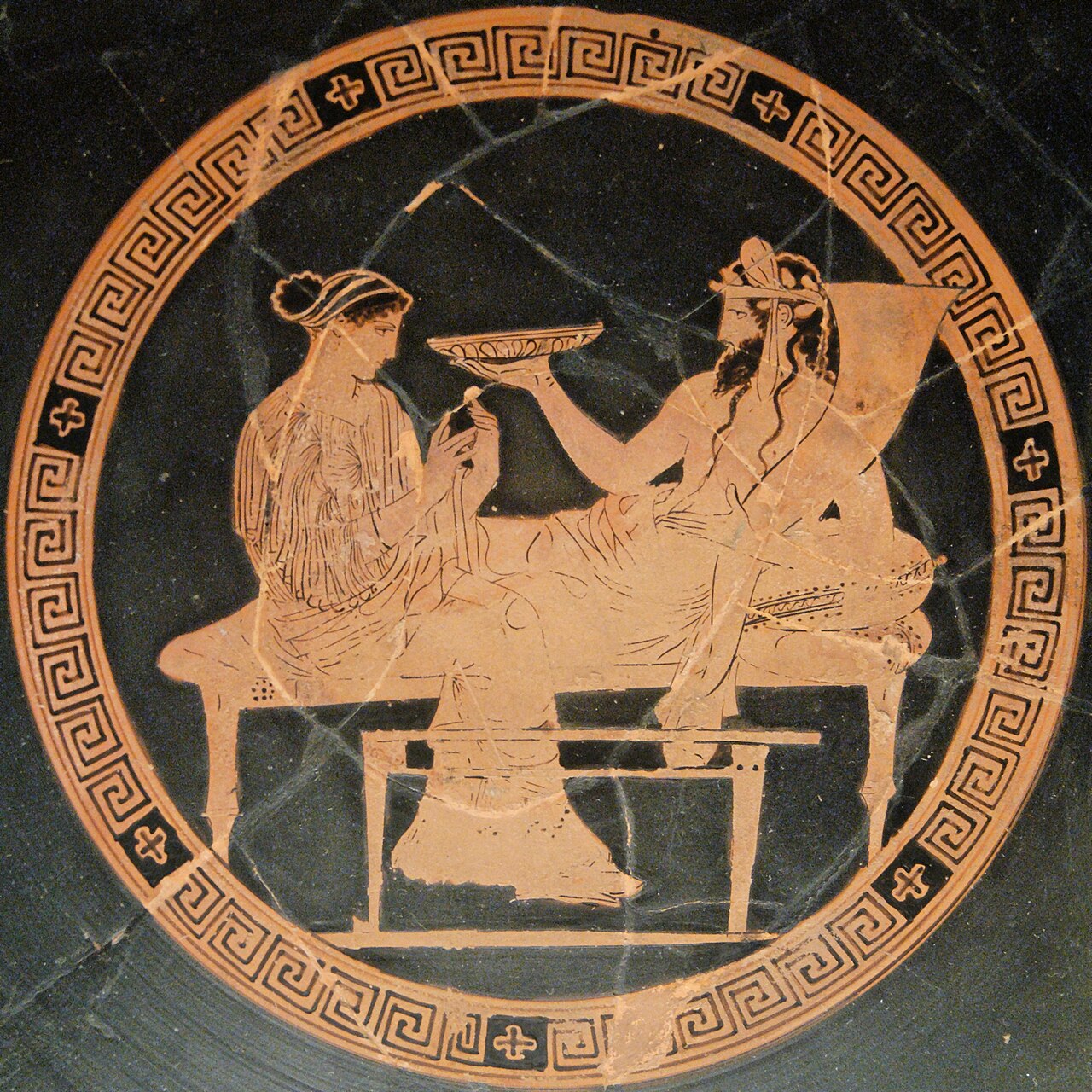
Hades was one of the three sons of Kronos and Rhea who divided the cosmos after the Titanomachy. While Zeus received the sky and Poseidon the sea, Hades received the underworld, the realm beneath the earth where the dead went. Unlike his brothers, he rarely left his domain and rarely appeared in myths as an active agent. He is not the god of death (that role belongs to Thanatos), but the lord of the dead, the ruler of a kingdom, cold, dark, and inevitable. His name was so feared that the Greeks often avoided speaking it, referring to him instead as Pluto (the "wealthy one," a euphemism reflecting the riches of the earth) or simply "the ruler below."
The Greek underworld was a complex and carefully organized realm. The dead first crossed the River Styx (or the River Acheron) on a boat piloted by Charon the ferryman, who required payment, traditionally a coin placed in the mouth or on the eyes of the corpse by the living. Those who couldn't pay wandered the near shore for a hundred years. On the far bank, Cerberus, the three-headed dog, prevented the dead from returning. The shades (souls) of the dead then went before three judges, Minos, Rhadamanthus, and Aeacus, who assessed their lives. The wicked were sent to Tartarus for punishment. The virtuous went to the Elysian Fields (or, for the exceptionally heroic, the Isles of the Blessed). Most shades went to the Asphodel Meadows, a gray, emotionless existence, neither punishment nor reward, simply endless being.
The famous punishments of the underworld, Sisyphus forever rolling his boulder, Tantalus forever reaching for fruit and water that retreats from his grasp, Ixion bound to a spinning wheel of fire, the Danaids eternally filling leaking jars, were not typical fates but mythological warnings about specific crimes: hubris, betraying the gods' secrets, violating sacred hospitality. They served as cautionary tales rather than descriptions of a universal judgment. The majority of the dead experienced neither punishment nor reward, simply an attenuated form of existence in which they retained the personalities and memories of life without the vitality. As Achilles tells Odysseus in the underworld: he would rather be a slave in the sunlight than a king among the shadows.
The Eleusinian Mysteries (see our post on Persephone) offered initiates the hope of a better afterlife, and this hope was one of the most powerful forces in ancient Greek religion. Orphism, the religious movement attributed to Orpheus, developed an elaborate theology of reincarnation and spiritual purification: the soul undergoes a cycle of rebirths, and through virtuous living and ritual knowledge, can eventually escape the cycle and achieve divine rest. Plato was deeply influenced by Orphic ideas, and his philosophical accounts of the soul's journey after death in the Phaedo, the Republic, and the Phaedrus shaped later Neoplatonic and, through that tradition, Christian ideas about judgment, heaven, and hell. The Greek underworld, for all its bleakness, was a generative intellectual space where ancient people worked through their deepest anxieties about what death might mean.