Theseus and the Minotaur: The Original Labyrinth

Thomas L. Miller
Historian & Writer
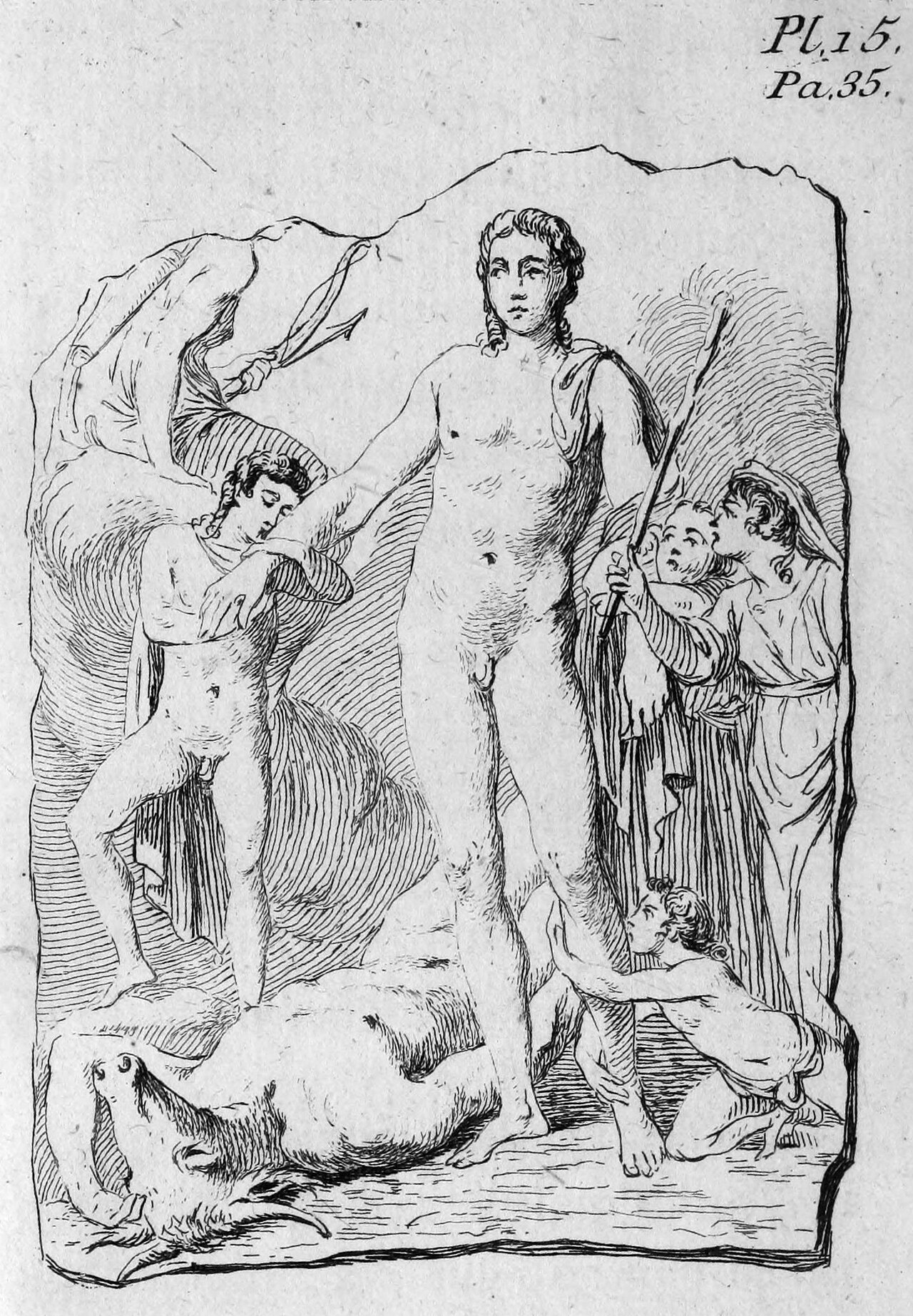
The Minotaur, whose true name was Asterion, was the offspring of Pasiphae, queen of Crete, and a magnificent white bull sent by Poseidon. When King Minos of Crete refused to sacrifice the bull as promised, Poseidon punished him by causing Pasiphae to fall in love with it. The great craftsman Daedalus constructed a hollow wooden cow that allowed her to satisfy her divine-inflicted passion, and the Minotaur was the result. To conceal the shame of this creature, Minos commissioned Daedalus to build an elaborate maze beneath the palace of Knossos, the Labyrinth, from which nothing that entered could find its way out.
After the Athenians killed Minos's son Androgeos (the circumstances vary), the Cretan king imposed a terrible tribute on Athens: every nine years, seven young men and seven young women were to be sent to Crete and cast into the Labyrinth as food for the Minotaur. Theseus, son of King Aegeus of Athens (and, by divine parentage, also a son of Poseidon), volunteered to go as one of the tribute youths, intending to kill the Minotaur. He sailed to Crete on a black-sailed ship, with a promise to his father that he would raise white sails on his return if he survived.
At Crete, the king's daughter Ariadne fell in love with Theseus. She gave him a ball of thread, sometimes called the "clew of Ariadne," so that after entering the Labyrinth he could find his way back by following the thread. Theseus tied one end to the entrance, made his way to the center, and killed the Minotaur with his bare hands (or with a sword, in other versions). He then led the tribute youths out by following the thread and escaped with Ariadne on his ship. On the return journey, however, he abandoned Ariadne on the island of Naxos while she slept, an act the sources variously explain as divine command (Dionysus wanted her as his own) or simple faithlessness. Theseus then forgot to change the black sails to white, and his father Aegeus, seeing the black sails approaching, threw himself from the cliff into the sea that now bears his name.
The myth of Theseus and the Minotaur is rich with historical echoes. The Minoan civilization of Bronze Age Crete was dominant in the Aegean for centuries before the Greek mainland civilizations rose to prominence, and the tribute myth may encode a memory of Cretan dominance over the mainland. Archaeological excavations at Knossos have revealed a genuinely labyrinthine palace complex; the word "labyrinth" may derive from the Minoan word labrys, the double-headed axe that was the symbol of Minoan religion. The myth transformed a historical political relationship into a monster-slaying narrative, with Theseus, the Athenian hero, as the liberator of his people from foreign domination.