Zeus: King of Olympus and Father of the Gods

Thomas L. Miller
Historian & Writer
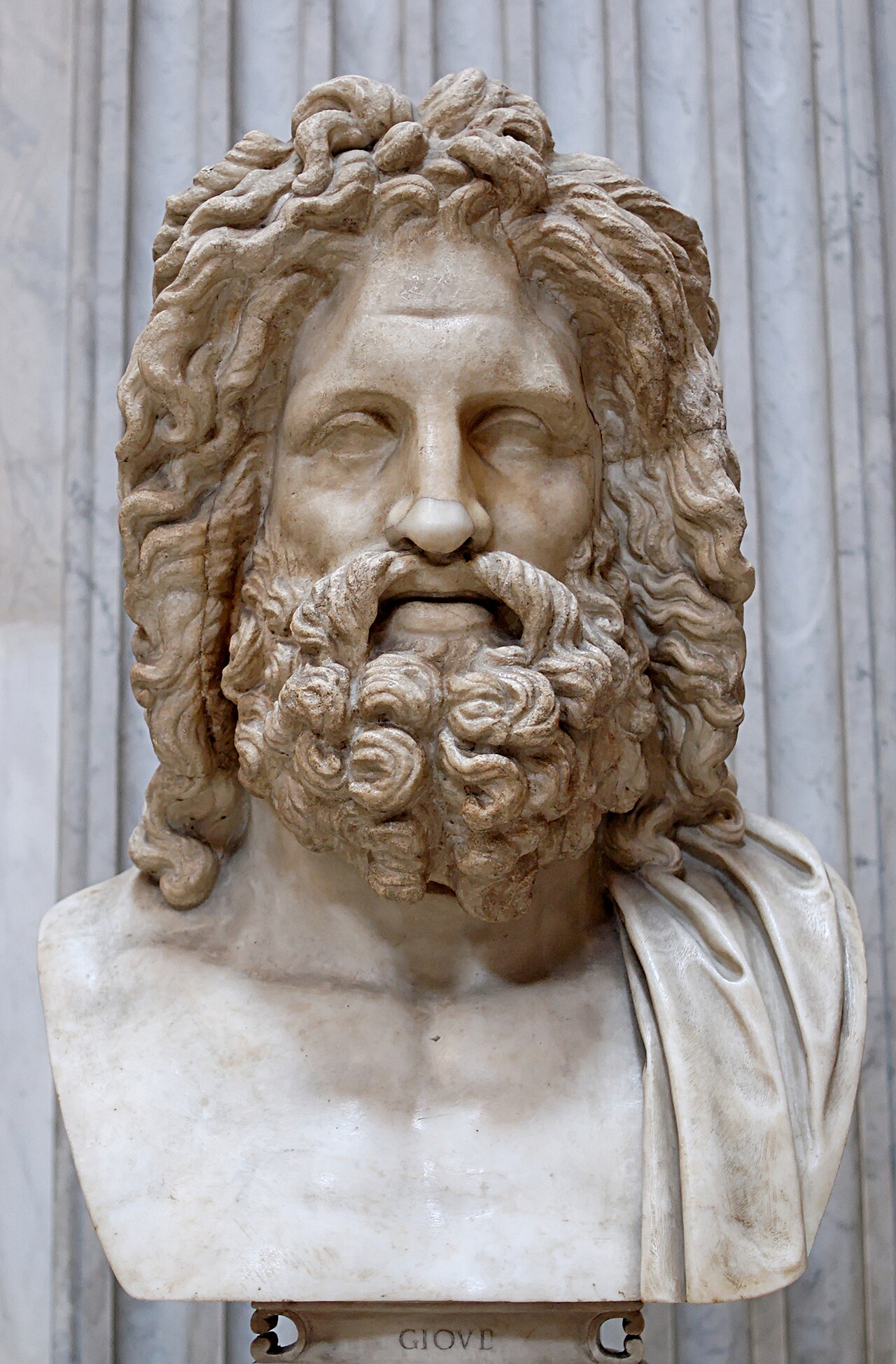
Zeus is the king of the Olympian gods, ruler of the sky and thunder, and the supreme authority among the divine beings of Greek religion. His name derives from the Proto-Indo-European root dyeus, meaning "sky" or "shine," connecting him to similar sky gods found across Indo-European cultures, from the Roman Jupiter to the Vedic Dyaus Pita. In Greek myth, he sits enthroned on Mount Olympus, wielding the thunderbolt forged for him by the Cyclopes as his weapon and symbol of cosmic power.
Zeus came to power after overthrowing his father Kronos and leading the Olympians to victory in the Titanomachy, the great ten-year war against the Titans. After the victory, he and his brothers divided the cosmos by lot: Zeus received the sky, Poseidon the sea, and Hades the underworld. Earth and Mount Olympus were shared among all the gods. This division was not merely territorial. It established the fundamental order of the Greek universe, with Zeus as its guarantor and enforcer.
The myths of Zeus are strikingly contradictory by modern standards. He is simultaneously the upholder of divine law, hospitality, and justice (xenia), and a relentless pursuer of mortal and immortal women alike. His liaisons produced many of the most famous figures in Greek mythology: Heracles with Alcmene, Helen of Troy with Leda, Perseus with Danae, Apollo and Artemis with Leto, and many others. Ancient Greeks understood these myths not as endorsements of Zeus's behavior, but as explanations for why certain heroes and demigods possessed divine blood, and as a reflection of the unpredictable, often capricious nature of the divine.
In the religious and philosophical life of ancient Greece, Zeus occupied a special position as the god of gods. The great statue of Zeus at Olympia, sculpted by Pheidias and considered one of the Seven Wonders of the Ancient World, depicted him enthroned in majestic gold and ivory, more than twelve meters tall. Pilgrims from across the Greek world came to marvel at it. In Stoic philosophy, Zeus was identified with the divine logos, the rational principle that pervades and governs all things. He was, in the end, not just a personality but a cosmic principle: the force of order imposing itself on the chaos of the universe.