The Titanomachy: How the Olympians Overthrew the Titans

Thomas L. Miller
Historian & Writer
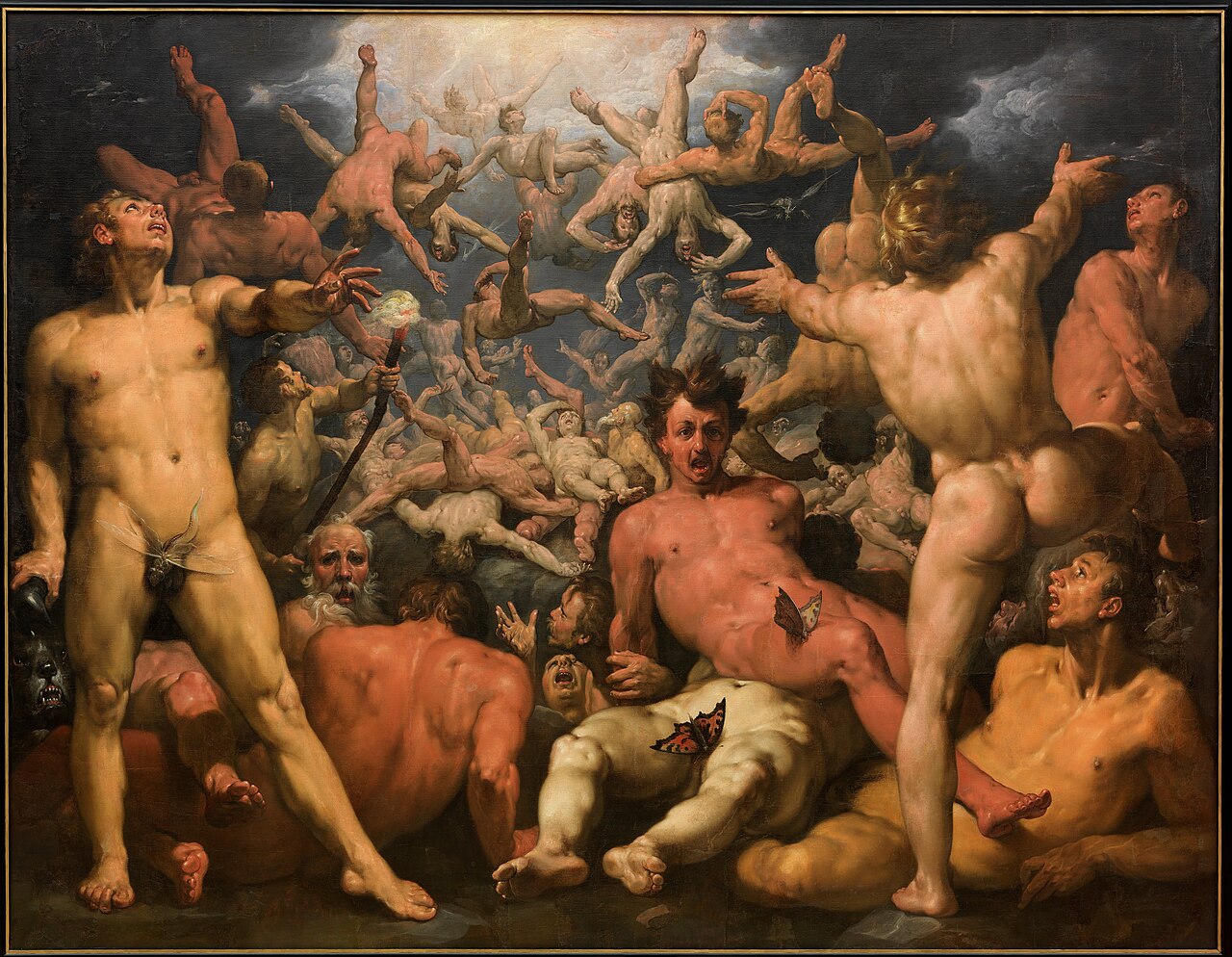
The Titanomachy, the war between the Olympians and the Titans, stands as one of the most dramatic episodes in all of Greek mythology. According to Hesiod's Theogony, this conflict lasted ten years and was fought from two divine strongholds: the Titans held Mount Othrys in Thessaly, while the younger gods rallied on Mount Olympus. The outcome of this war would determine who ruled the cosmos for eternity: the old order of the Titans under Kronos, or the new generation led by Zeus.
The war's turning point came when Zeus, following the advice of his mother Gaia, freed the imprisoned Hecatoncheires and Cyclopes from Tartarus. These beings, the Cyclopes in gratitude, forged the three great divine weapons: the thunderbolt for Zeus, the trident for Poseidon, and the helm of darkness for Hades. The Hecatoncheires, each with fifty heads and a hundred arms capable of hurling hundreds of boulders simultaneously, gave the Olympians an overwhelming tactical advantage. The earth shook, the sea boiled, and even the firmament trembled as the battle reached its climax.
Not all Titans opposed the Olympians. Prometheus and Epimetheus sided with Zeus, and the Titaness Metis became his ally and first wife. Those Titans who fought against the Olympians were cast into Tartarus after their defeat, the deepest pit of the underworld, as far below Hades as the earth is below the heavens. The Hecatoncheires were set to guard them. Atlas, one of the most prominent Titan warriors, received a particular punishment: condemned to stand at the western edge of the world and hold up the heavens on his shoulders for eternity.
The Titanomachy was more than a mythological war story. It was an explanation of cosmic history. The Greeks used it to articulate the transition from an older, more chaotic divine order to the more structured Olympian pantheon that governed human life and the natural world. Later Greek philosophers, especially the Stoics, interpreted it allegorically: the Titans represented brute, unordered forces of nature, while the Olympians symbolized the rational principles that bring order to the cosmos. The myth encoded Greek values about the triumph of reason, order, and civilization over primordial chaos.