Homer's Iliad: The Poem That Built Western Civilization

Thomas L. Miller
Historian & Writer
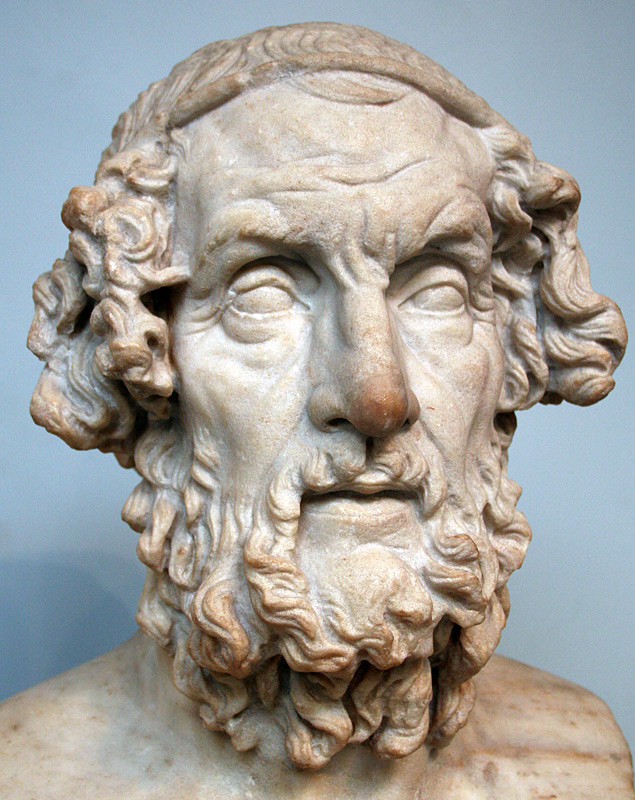
The Iliad opens not with the beginning of the Trojan War, but in its tenth and final year, with a word: menis, meaning "wrath." This is the wrath of Achilles, the greatest Greek warrior, who has quarreled with Agamemnon over a captive woman and withdrawn from battle in fury. The consequences of his withdrawal cascade through the poem: without Achilles, the Greeks suffer terrible losses; his closest companion Patroclus dies trying to turn the tide; and Achilles, consumed by grief and rage, returns to the battlefield to kill Hector, Troy's greatest hero, and drag his body in the dust. It is a poem of spectacular violence and deep humanity in equal measure.
Who was Homer? Ancient Greeks believed he was a blind poet from one of several cities, with Chios and Smyrna most often cited, who composed both the Iliad and the Odyssey. Modern scholarship views the question as far more complicated. The poems are the culmination of a long tradition of oral poetry, composed by bards who memorized and improvised using a vast repertoire of formulaic phrases, stock scenes, and narrative structures. The Iliad as we have it was probably crystallized into its current form sometime in the eighth century BCE, though the legends it recounts are far older, rooted in the Late Bronze Age.
The poem's moral universe is worth examining carefully. Unlike later Greek literature, which often portrays the gods as guardians of justice, the gods of the Iliad are frequently capricious, petty, and willing to sacrifice humans for trivial reasons. The poem's deepest sympathy is reserved for the humans caught between divine forces they cannot control: brave Hector, fighting to protect his city and family; Priam, the aged king who must beg for his dead son's body; Andromache, who foresees Troy's fall and her own enslavement. The "Trojan side" is depicted with as much humanity as the Greeks, making the poem's tragedy universal rather than triumphalist.
The Iliad's influence on Western culture is impossible to overstate. Alexander the Great slept with a copy annotated by Aristotle under his pillow and visited Troy before launching his Persian campaign, identifying himself with Achilles. Roman poets, especially Virgil, built directly on its foundation. In the Renaissance, it was the text that educated Europeans memorized and quoted. Its exploration of heroism, mortality, the relationship between glory and grief, and the terrible cost of war continues to speak directly to readers today. Military cadets, trauma surgeons, and soldiers have found in it a mirror for their own experiences that no later text has quite matched.